01 · People
A working city of ten and a half million
Bangkok is one of the largest cities on Earth, and the densest capital in Southeast Asia. The metro spills into five surrounding provinces at rush hour; the city proper is what the municipal boundary says it is, and that boundary is past 1,500 km².
10.54million
Bangkok city proper population
NSO, 2023 · 2023
16.7million
Greater Bangkok metro population
UN DESA, 2024 · 2024
1,569km²
City area inside the BMA boundary
BMA · 2023
6,716/km²
Population density, city proper
NSO, 2023
1782
Year Rattanakosin was founded as the capital
Fine Arts Department
2,332,840
Households registered in Bangkok
NSO, 2022
3.0million
Expatriates living in Bangkok
BMA Foreign Affairs Office · 2024
≈ 25%
Of Thailand's population living in the BMR
NESDC
05 · Air
The air is the city's longest-running complaint
Bangkok's PM2.5 problem is structural: a bowl of low-rise housing around a road network that grew faster than its tree cover, diesel traffic at street level, agricultural burning in the dry season, and industrial emissions from the eastern seaboard. It is not a secret. It is also not a reason not to come — but it is a reason to plan around it.
≈ 25µg/m³
Annual mean PM2.5 (Bangkok, 2023)
PCD
5µg/m³
WHO 2021 annual guideline
WHO
80+µg/m³
Peak dry-season daily PM2.5 in some districts
PCD, 2024
≈ 11,200deaths / yr
Estimated premature deaths from PM2.5, Bangkok
HEI / Greenpeace, 2023
≈ 21%
Of outdoor air-pollution deaths in Thailand attributed to Bangkok
PCD
≈ 2.3%
Of Bangkok's GDP lost to air-pollution morbidity
World Bank, 2023
≈ 8.4M
People in Bangkok exposed to PM2.5 > WHO guideline
PCD
07 · Heritage
Five hundred and seventy-one ancient monuments, registered
The Fine Arts Department keeps a register of every ancient monument in Thailand. Five hundred and seventy-one of them are in Bangkok. This site — bkk.nonarkara.org — holds all of them, plus the nine quarters where they pool, the seven walks that string them together, and the 3D map that puts the whole city at the front door.
571
Registered ancient monuments, Bangkok
Fine Arts Department
9
Heritage quarters in this atlas
BKKx
7
Documented walking routes
BKKx
73
Heritage landmarks rendered in 3D
bkk-3d-atlas
432,077
OSM buildings in the metro 3D atlas
bkk-3d-atlas
4,063
Canals + the Chao Phraya, mapped in the atlas
bkk-3d-atlas
9
Rail lines (BTS / MRT / ARL / SRT), 126 segments
bkk-3d-atlas
≈ 400
Buddhist temples within the BMA boundary
BMA Religious Affairs
08 · Food & street economy
Where the city actually lives
Bangkok is often described as a city of food first, monuments second. The street stall economy alone employs more people than the formal hospitality sector and feeds the city from 5am to 2am. This is not heritage as the register sees it. This is heritage as the road sees it.
≈ 10,000
Street-food vendors in Bangkok (MOTS estimate)
MOTS, 2023
≈ 50THB
Median price of a filling single-dish meal at a street stall
BKKx survey, 2024
200+
Markets (fresh + night + weekend) inside the BMA
BMA Markets Office
≈ 25%
Of tourist spending that goes to food and beverage
TAT, 2023
≈ 0.85%
Of Thai GDP from food & beverage
NESDC, 2022
1,162km
Historical canal length; ≈ 167 km still flowing
BMA Drainage
Mid
Bangkok ranking for cost-of-living among Asian capitals (Numbeo)
Numbeo, 2024
02–06 · Full city ledgerEconomy, visitors, sentiment and safety.Open 30 more measures +
02 · Economy
Roughly a third of the country's GDP, all in one city
If Thailand's economy were a country, Bangkok would be its capital. Most of the financial sector, most of the headquarters, most of the logistics, and most of the high-value services sit inside the BMR. A worker earning the median wage in Bangkok earns roughly twice the national median.
≈ 30%
Of Thai GDP generated inside the BMR
NESDC, 2022
≈ 200B USD
Bangkok metro GDP, 2022
NESDC · 2022
≈ 50B USD
Tourism receipts (Bangkok share, 2019)
TAT / NESDC
850,000
BTS daily passengers (pre-COVID baseline)
BTS Group Holdings
470,000
MRT daily passengers (pre-COVID baseline)
BEM
70M / year
Passengers through Suvarnabhumi + Don Mueang
AOT, 2023
≈ 22nd
Port of Bangkok in world container throughput
UNCTAD, 2023
≈ 90,000
Hotel rooms in the Bangkok metro
MOTS
03 · Tourism
The city that built itself on visitors
Tourism is the single most legible fact about modern Bangkok — the street food, the tuk-tuks, the BTS Skytrain, the shrine hotels, the airport rail link, the new terminal at Suvarnabhumi, the Chao Phraya express boats — most of that infrastructure exists because visitors came, kept coming, and the city kept building for them. When they stopped, in 2020, the city did not — but the streets emptied anyway.
39.9M / year
International visitors to Thailand, 2019
TAT, 2019
≈ 20M / year
Of those who came through Bangkok
TAT, 2019
1.9T THB
Thailand's tourism receipts, 2019
NESDC / TAT
1.45T THB
Tourism receipts, recovery year 2023
NESDC / TAT
5.4%
Of Thai GDP tourism contributed, 2019
NESDC
China, Malaysia, India, Japan, Korea
Top five source markets, 2019
TAT
33M / year
Visitors in 2024 (estimated)
TAT, 2024
≈ 5M
Domestic tourists visiting Bangkok / year
MOTS, 2023
04 · Sentiment
What people say, both ways
Bangkok is the most-mentioned city in the world for two reasons — it is genuinely loved, and the complaining is part of the love. A Bangkokian who has not complained about the heat, the BTS at rush hour, or the construction noise on their soi has not lived here long. Visitors post photos; residents post complaints; both are correct.
≈ 4.7 / 5
Average TripAdvisor score, Bangkok attractions (top 50)
TripAdvisor, 2024
1.4×
Times more positive than negative posts about Bangkok on Twitter/X (rolling 90d, 2024)
Aggregated public posts, 2024
Top 5
Most-visited city in the world, Mastercard Global Destinations Cities Index 2019
Mastercard GDCI, 2019
≈ 60%
Of foreign visitors say they would return within 12 months
TAT Visitor Survey, 2023
− 12%
Drop in international arrivals, 2020 (COVID)
TAT
+ 9%
Year-on-year growth, 2023 vs 2022
TAT
37°C
Hottest April afternoon on record (Bangkok)
TMD, 2023
29°C
Annual mean temperature
TMD
06 · Safety
Safer than its reputation, weaker than its boosters claim
Bangkok is safe for visitors in the way most large Southeast Asian cities are safe — pickpockets in the tourist zones, occasional traffic violence, rare violent crime against foreigners. It is not the murder-capital trope of old movies, and it is not the utopia of Instagram reels. Numbeo's safety index puts it mid-pack for global capitals.
52.5
Numbeo Safety Index, mid-2024 (lower = less safe)
Numbeo, 2024
63.8
Numbeo Safety Index, Singapore (mid-2024)
Numbeo
≈ 60/yr
Road deaths in Bangkok (BMA + adjacent highways, 2023)
WHO RTI, 2023
≈ 1.3M / day
Daily road users exposed to fatal-risk traffic
WHO RTI
Low
Terrorist-attack risk rating (Global Peace Index tier)
GPI, 2024
0.18/100k
Homicide rate, Bangkok
UNODC, 2023
After the numbers
Then read the city.
The register at /heritage holds the 571 monuments by name, district, and (where the published coordinate is too coarse) a relocated point. The 9 quarters are the lens — each one is a hand-curated page with its monuments, its walks, and its own history. The 7 walks are street-following routes built from OSRM and the register, with nearby food and shops surfaced for each stop.
The 3D map on the home page is the whole city, not a district gate. Pick a quarter on the left, the map flies there. Toggle the live-incidents layer if you want to see what is breaking right now; the heritage-landmarks layer always has the ancient monuments rendered as 3D fill-extrusions.
Sources: NSO, NESDC, TAT, BMA, PCD, Fine Arts Department, TMD, UN DESA, UNCTAD, WHO, World Bank, Numbeo, UNODC, GPI, Mastercard GDCI, BKKx survey. Values rounded; where the source itself rounds, we show the source's number, not a more precise one we made up.
The human versionThe city that never got the plaque.Read Dr Non's Bangkok +
Why this exists
The city that never got the plaque.
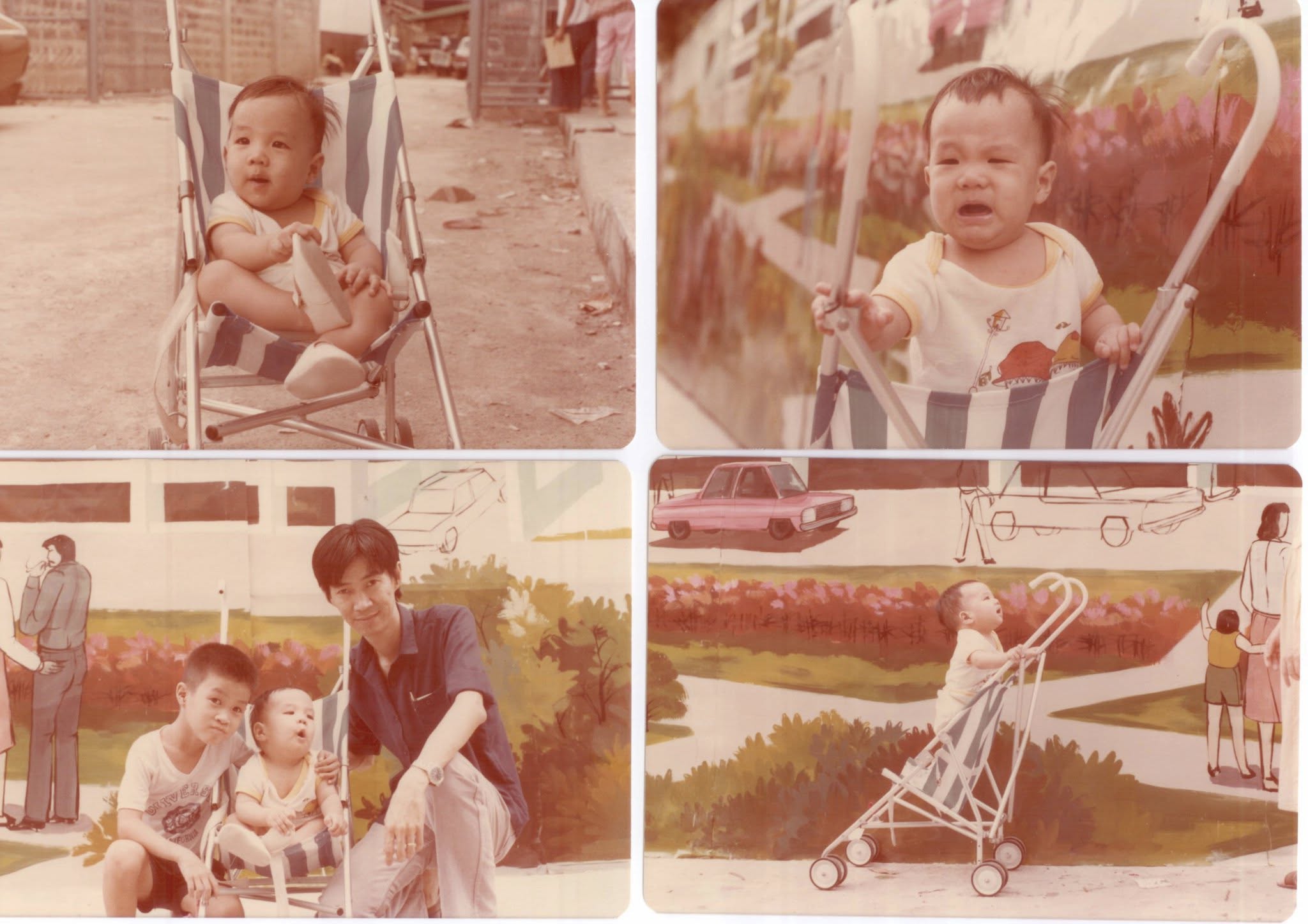
I was born in Bangkok. Somewhere there are four small photographs proving it — a baby in a stroller, squinting at whoever is holding the camera, family close by, the old neighbourhood painted flat and pastel behind us the way old photographs always render a place. I grew up in the old town. My parents went to university a short walk from where those photographs were taken, at Thammasat, and years later so did I — first as a student, later as the person standing at the front of the room instead of in it. I have spent more of my life walking these streets than anywhere else on earth, and it still catches me off guard how little that fact seems to count for anything when the subject turns to heritage.
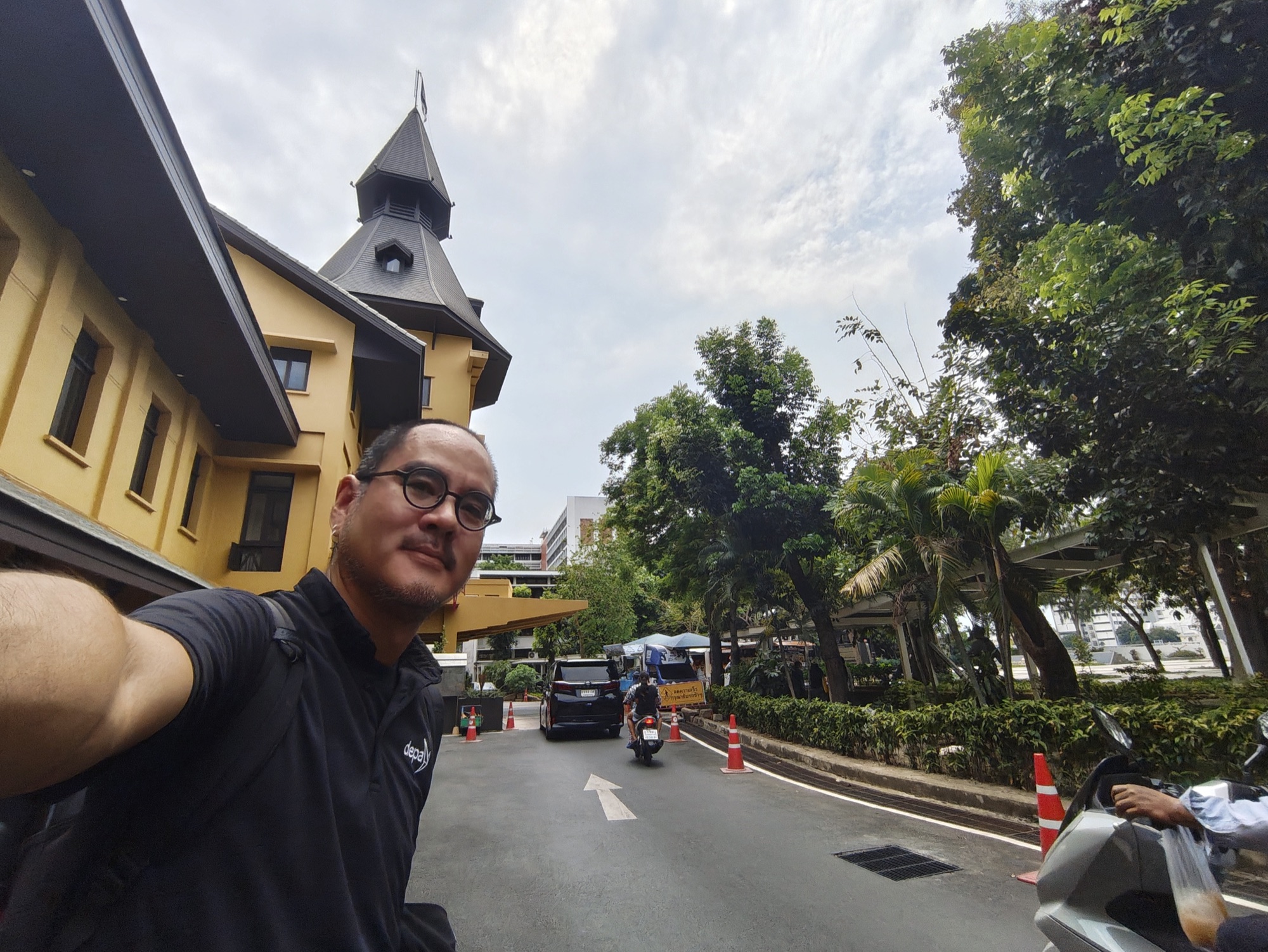
Here is the thing I keep running into. I collect World Heritage cities the way other people collect anything — Penang, Kyoto, Vienna, Graz, Prague, Warsaw, Krakow, and, because my own taste in cities has never been entirely serious, Wigan. Every one of them has a plaque. Every one of them has a boundary somebody drew around the old quarter and a rule somebody wrote about what can and cannot happen inside it. I have stood in a lot of beautiful, correctly maintained places, admired them properly, and then gone back to the hotel feeling like I had visited a diorama rather than a city.
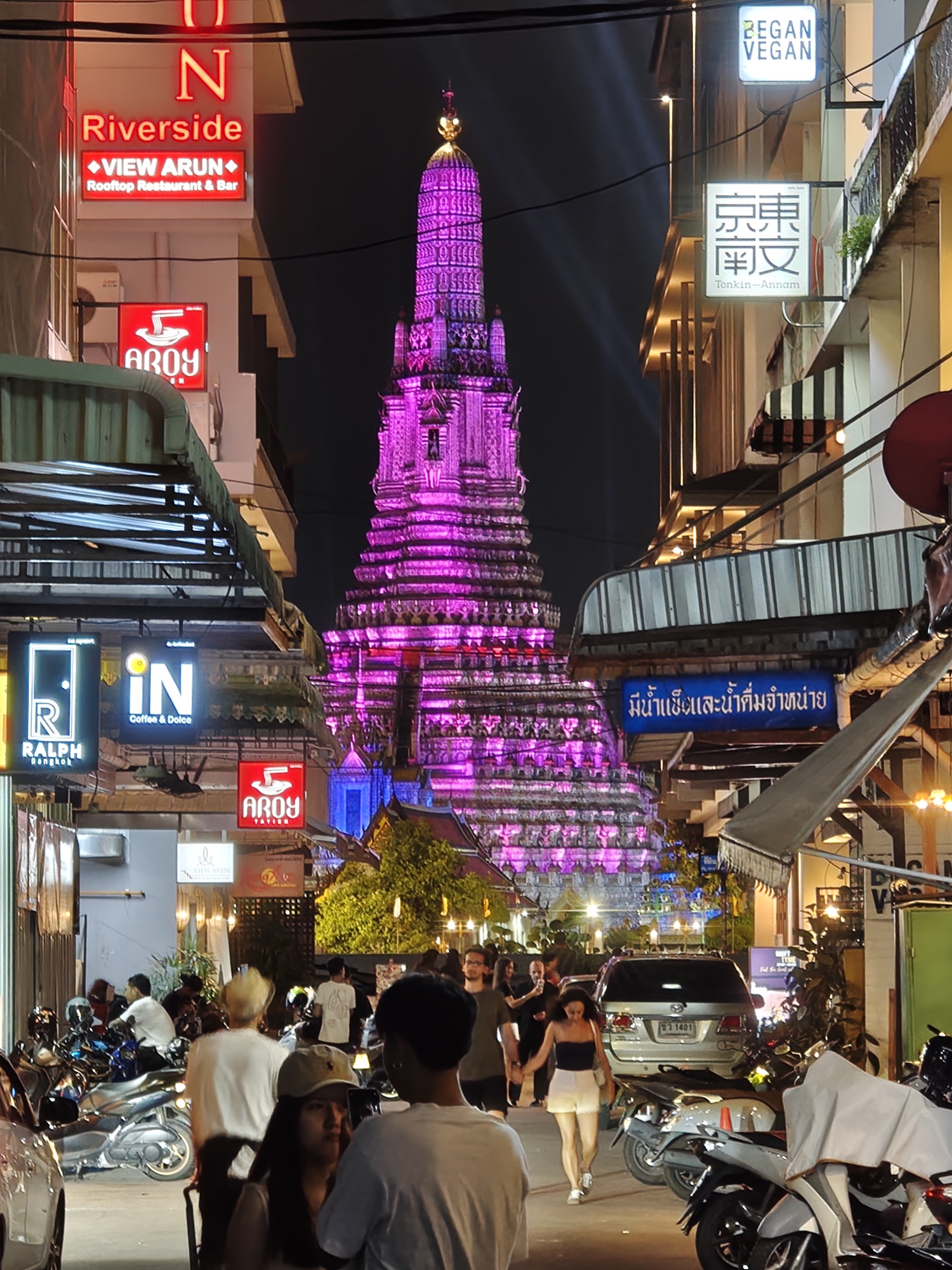
Bangkok has none of that. The old town where I grew up has never been UNESCO-listed, and for a long time I assumed that was an oversight somebody would eventually correct. I do not think that anymore. I think it might be the best thing about it.
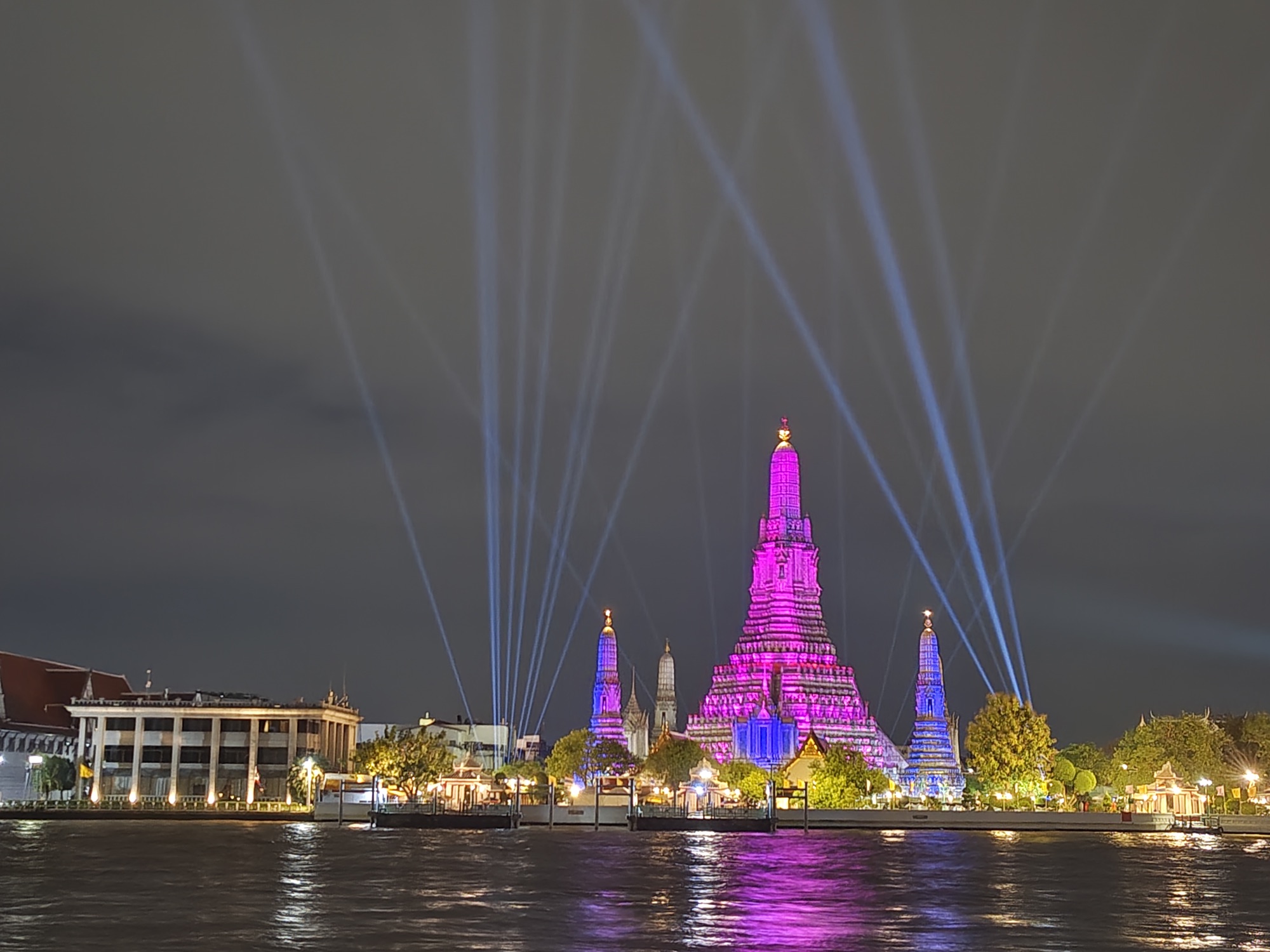
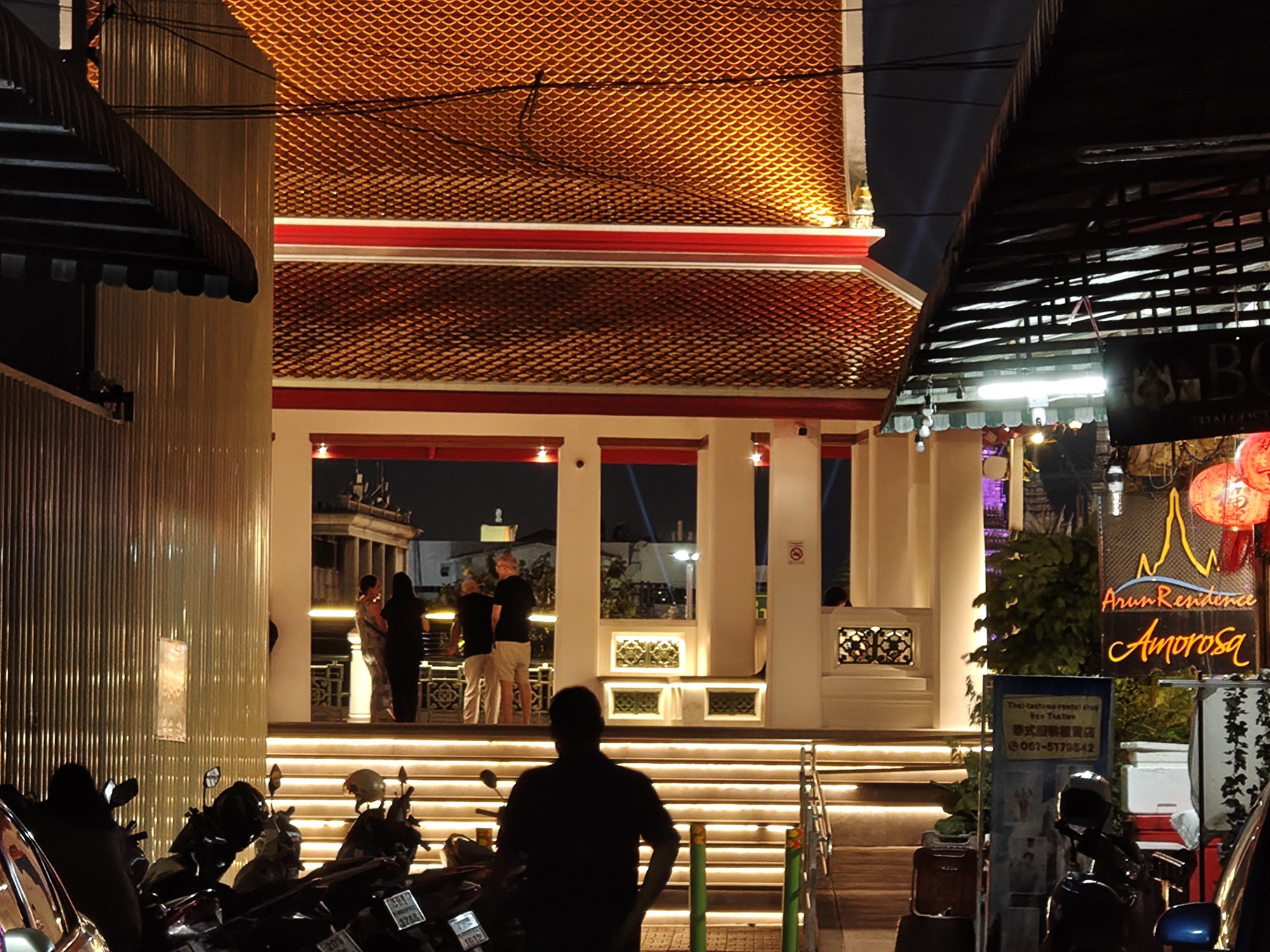
A city that gets the plaque gets frozen at whatever moment looked best in the application. A city that does not keeps changing, which is a nuisance for photographers and a mercy for everyone who actually lives there. The temples in my old neighbourhood are not exhibits behind a rope; people still pray in them on an ordinary Tuesday for reasons that have nothing to do with tourism.
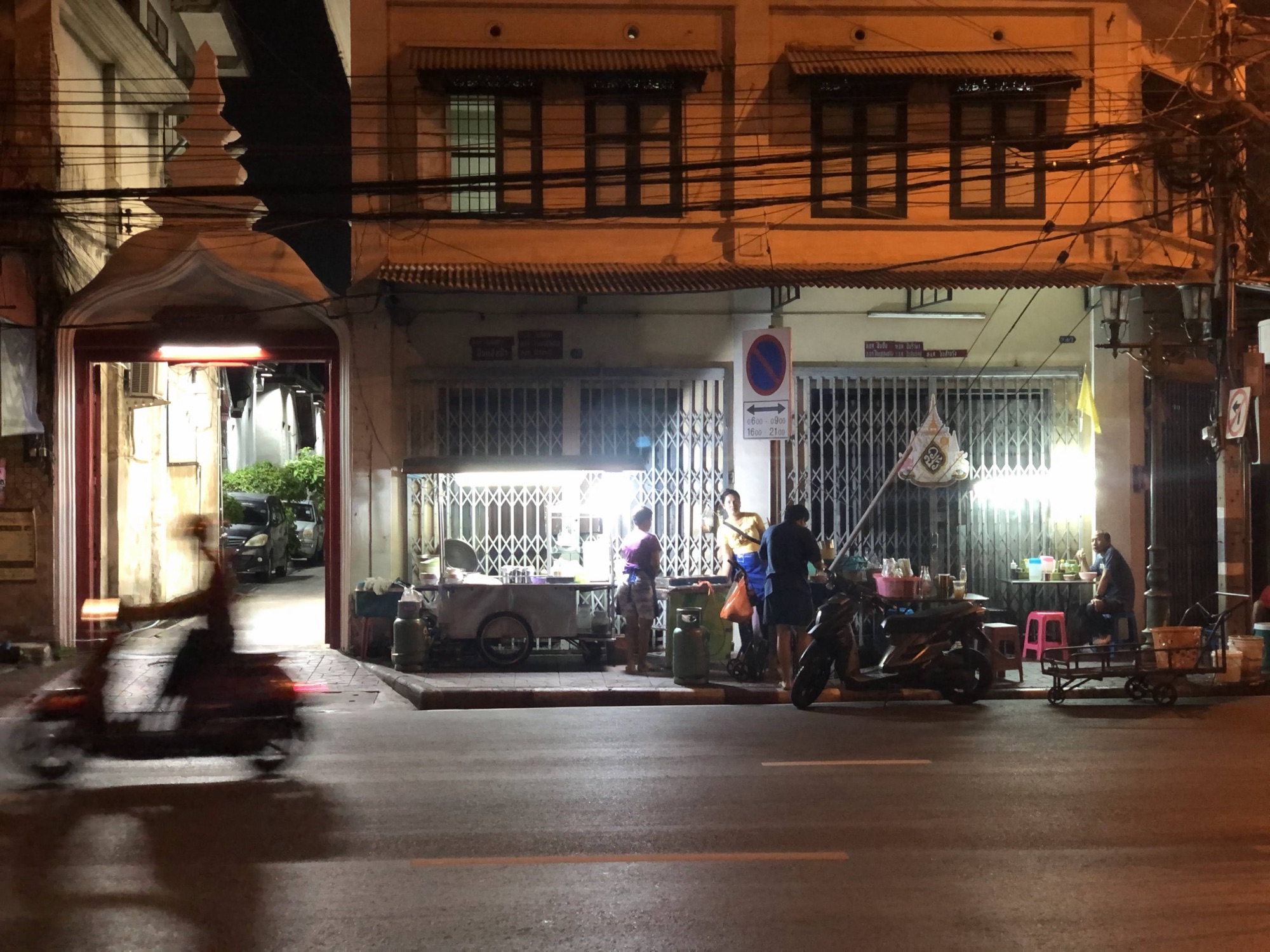
The shophouses are not preserved facades with a gift shop behind them. There is a foodstall open under one of them at eleven at night because someone's family has been running it long enough that closing early was never on the table.
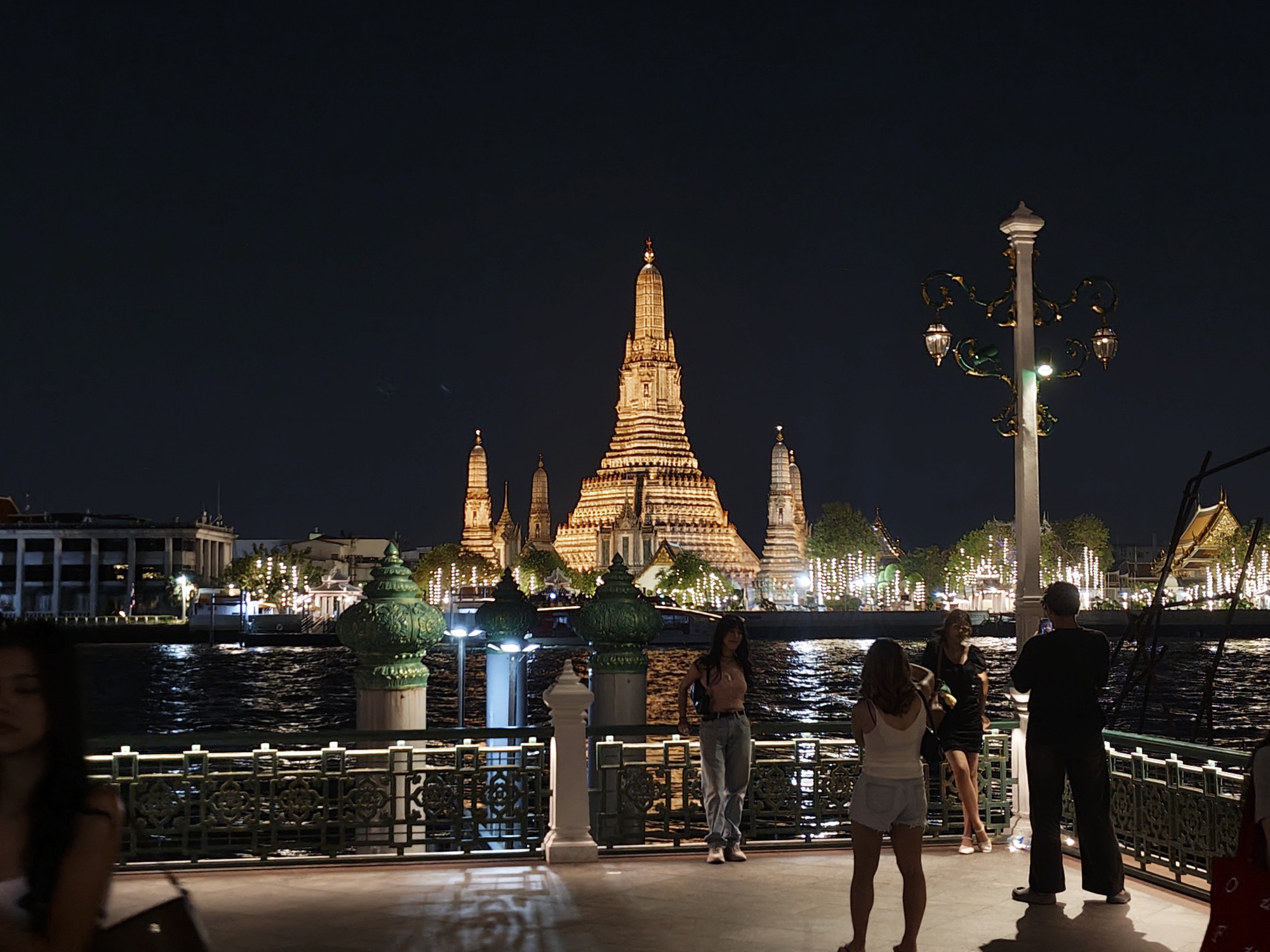
People sit out on the street past midnight in a way I have not seen on the rest of my list, because they feel safe enough to, which is its own kind of heritage and nobody puts it on a plaque.
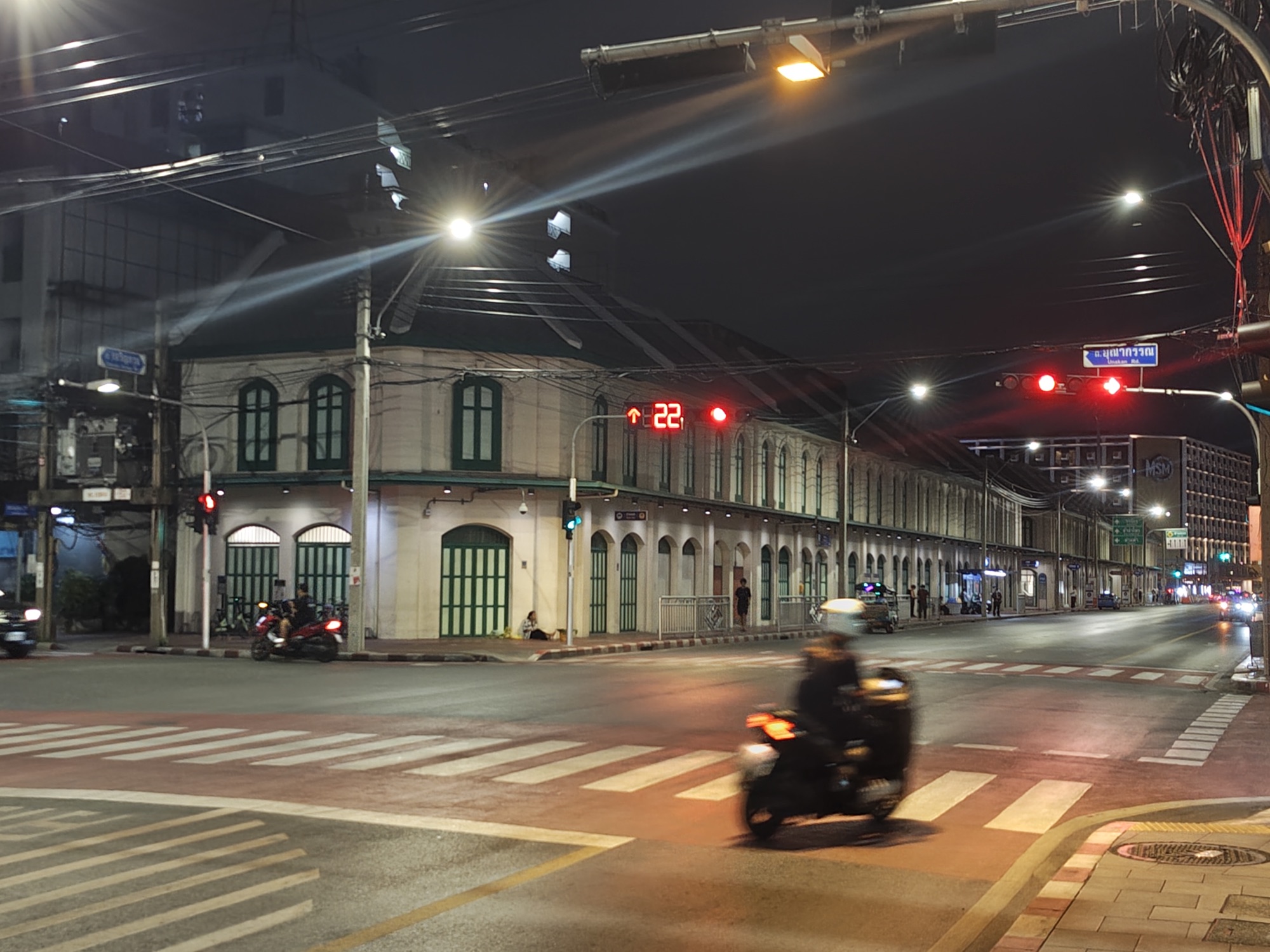
I do not want to overstate this into some kind of victory. The absence of a UNESCO badge is not Bangkok winning a competition it entered on purpose — it is just what happens when nobody applies. And that absence cuts both ways. A living city is also a city nobody is formally obligated to protect, and I have watched buildings in this old town disappear that I would have sworn, walking past them as a kid, would outlast me. Nothing froze them in place. Nothing had to.
That is the actual reason this project exists, underneath the maps and the Minecraft blocks and the walking routes. Thailand's Fine Arts Department does keep a register — 571 monuments in Bangkok alone, each one either formally gazetted or still waiting on a decision nobody has made yet. That register is the closest thing this city has to a plaque, and it is a more honest document than a plaque would be, because it admits, item by item, what is actually protected and what is only hoped for. A UNESCO listing tells you a place has already been decided on. This tells you the decision is still open — which is uncomfortable, and also true, and also exactly the kind of thing I would rather know before the building in question becomes a parking lot.
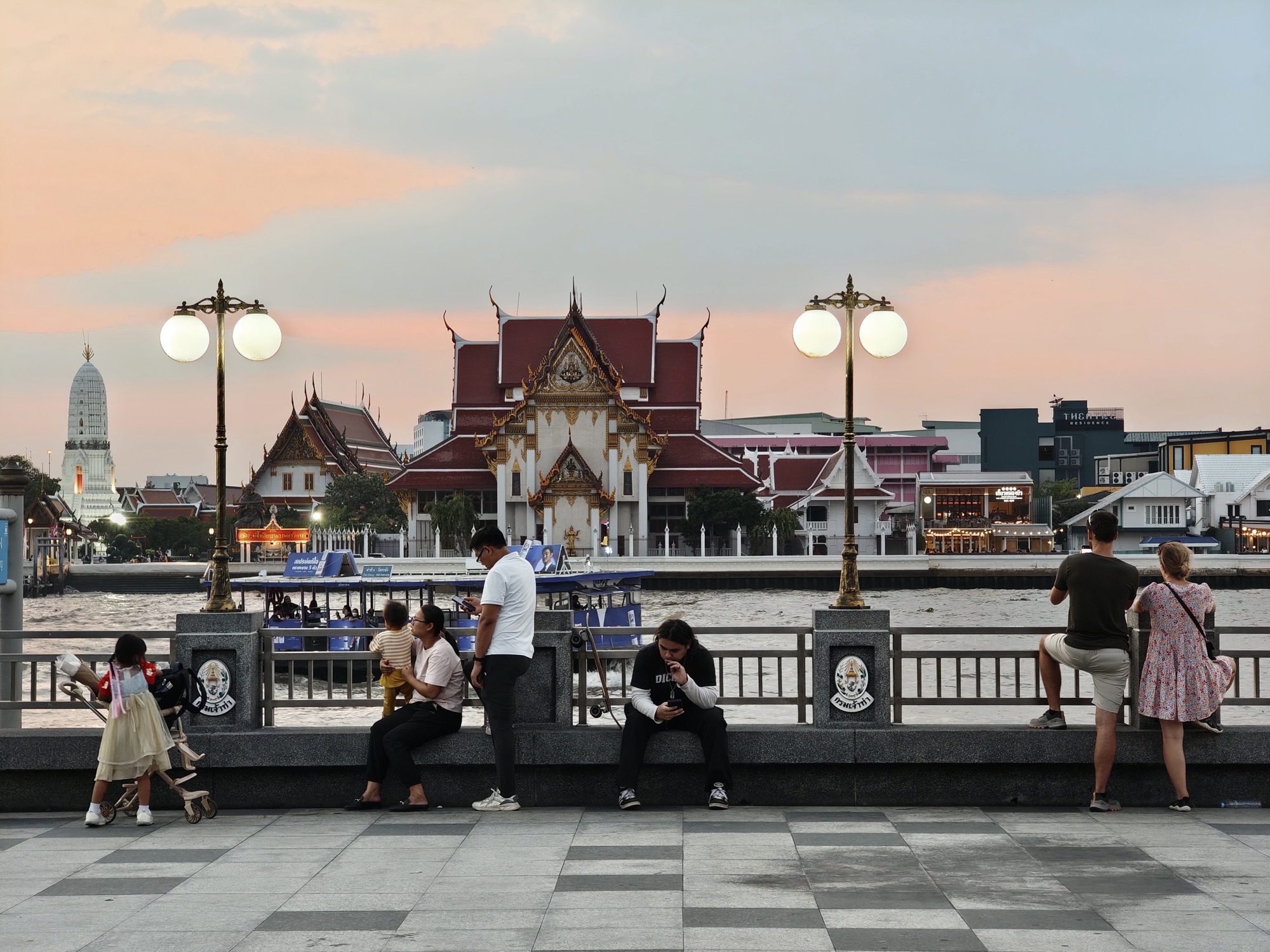
So this is the whole argument, and I would rather say it plainly than dress it up: the best heritage city I have found, out of every one with a plaque, is the one that never got one — and I think that is worth building something around, rather than something to apologise for.